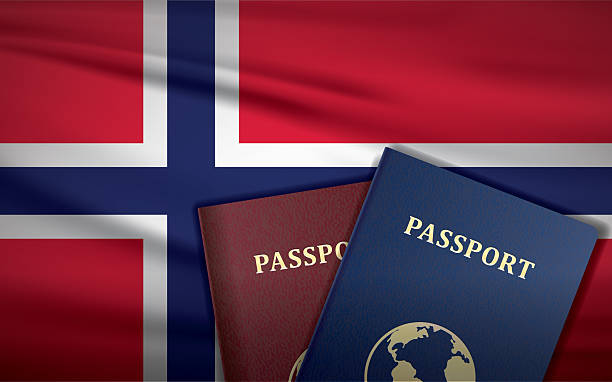

When you picture your first weeks in Norway, you probably think about stunning fjords, cozy cafés, and maybe even your first hike in the snow. What you might not picture is standing in line at a local police station to hand over your fingerprints. Yet for many expats, that moment—getting your Norway residence card—is when life here really begins.
It’s a small plastic card that fits in your wallet, but without it, you’ll find doors shut. You can’t sign a lease, open a bank account, or even prove to an employer that you’re allowed to work. I’ve met newcomers who thought their approval letter from UDI was enough—only to be caught off guard when asked for the card.
In this guide, I’ll walk you through what the Norwegian residence card is, how to get it, common mistakes people make, and how it connects to something bigger: UDI Norway permanent residence. Along the way, I’ll share insights from real expat experiences and point you to services that make the whole process smoother.
What Exactly Is the Norway Residence Card?
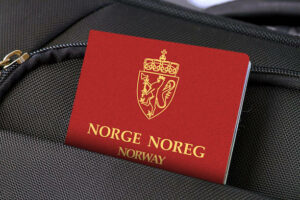
Let’s start simple. The residence card is a biometric ID issued to non-EU/EEA citizens who have been granted a residence permit. It carries your photo, fingerprints, and details of your permit type.
Think of it as the physical “proof” of your legal status. The permit itself is the decision—granted by the Norwegian Directorate of Immigration (UDI)—but the card is what you’ll carry around in your wallet.
Why It Matters
-
Needed for opening a bank account
-
Required for rental contracts
-
Used when dealing with healthcare services
-
Makes Schengen-area travel easier
💡 Pro tip: Many newcomers mistake the approval letter for the card. Don’t make that error—it’s the card that’s valid in daily life.
Who Actually Needs a Residence Card?
This is where confusion often arises.
-
Non-EU/EEA Citizens: If you’re from outside the EU/EEA, you absolutely need one.
-
EU/EEA Citizens: You don’t need a residence card, but you do need to register your right of residence with the police.
-
Children: Yes, kids get their own cards too if they’ve been granted a permit.
I once helped an American family in Stavanger who were surprised to learn their six-year-old needed to go through the same fingerprinting process. It may feel unusual, but it’s standard procedure.
How to Apply for a Norwegian Residence Card
Let’s break it down step by step.
Step 1: Secure a Residence Permit
You can’t apply for the card until UDI grants you a residence permit—whether for work, study, or family reasons. If you’re a skilled worker, check our Skilled Worker Visa Norway guide for details.
Step 2: Approval Letter from UDI
Once UDI approves your application, you’ll get an official letter. This is the green light to move forward.
Step 3: Book a Police Appointment
Next, you’ll book an appointment with your local police station or Service Centre for Foreign Workers (SUA). In Oslo, appointments fill up quickly—so book early. Smaller towns like Ålesund or Bodø usually have shorter waits.
Step 4: Provide Biometrics
At the appointment, you’ll:
-
Have your photo taken
-
Provide fingerprints
-
Sign digitally
Step 5: Wait for Delivery
Your card will arrive by post within 10–15 business days. Sometimes faster. Sometimes slower (especially around Christmas).
👉 Need someone to guide you through? Our immigration services in Norway include hands-on support for every step.
Renewing Your Norwegian Residence Card
Your residence card is only valid for the length of your permit. That could be a year, two, or three depending on your situation.
Renewal Checklist
-
Apply for permit renewal through UDI before your current one expires.
-
Once approved, book another appointment for biometrics.
-
Receive your new card by post.
⏱ Timing matters. I’ve seen expats apply too close to their expiry date and end up with gaps that complicate banking or travel. Aim to start three months ahead.

UDI Norway Permanent Residence: The Long-Term Goal
For most people, the residence card is just step one. The real prize is permanent residence, which allows you to stay indefinitely.
Why Permanent Residence Matters
-
No more yearly renewals
-
Stronger legal stability
-
Easier to buy property or secure long-term loans
-
Foundation for applying for Norwegian citizenship
Requirements for UDI Permanent Residence
-
Time in Norway: Usually three years (five for some categories).
-
Language: At least 300 hours of Norwegian language courses, unless you can prove fluency.
-
Social Studies: 50 hours of courses about Norwegian society.
-
Income: Proof that you can support yourself.
-
Clean Record: No serious criminal offenses.
When you meet these conditions, your new residence card will show you’re a permanent resident.
Common Mistakes Expats Make
I’ve worked with enough expats to see patterns. Here are three big ones:
-
Confusing Permit vs. Card – Remember: the permit is the decision, the card is the proof.
-
Delaying Appointments – In cities like Oslo, police slots fill fast. Waiting too long means long delays.
-
Ignoring Children’s Cards – Every family member needs their own card, even toddlers.
Avoid these, and your transition will be much smoother.
Real-Life Example: Applying in Oslo vs. Trondheim
-
In Oslo: Book appointments months in advance. The SUA office is busy, and waiting times can be frustrating.
-
In Trondheim: You might get an appointment within a week. Smaller cities often mean quicker service.
One Canadian expat I assisted was shocked at the difference. She moved from Oslo to Trondheim halfway through her process and suddenly everything went faster.
Beyond the Card: Settling Into Life in Norway
Getting your residence card is just the start. Settling in involves housing, work, and adapting to cultural norms.
At Pytheas, we provide:
-
Home search services in Norway – find rentals without stress
-
Expat services – everything from banking to school enrollment
-
Settling-in services – guidance for your first months
-
How to move to Norway – a detailed roadmap
Quick Comparison: Residence Permit vs. Residence Card
| Feature | Residence Permit | Residence Card |
|---|---|---|
| What it is | Legal approval to live in Norway | Physical proof of that approval |
| Who issues it | UDI (Norwegian Directorate of Immigration) | Police/UDI |
| Format | Digital decision | Biometric plastic card |
| Daily Use | Rarely shown | Needed for banking, renting, ID checks |
Frequently Asked Questions (FAQ)
Q: How long does it take to get the card?
Usually 10–15 business days, though delays happen in busy seasons.
Q: Can I work before receiving my card?
Yes—if your permit is approved, you’re legally allowed to work. The card is just the proof.
Q: What if I lose my residence card?
Report it immediately to the police and request a replacement.
Q: Does the residence card mean I can apply for citizenship?
Not directly. But after seven years of legal stay, you may qualify for citizenship.
Q: Can my kids get a card too?
Yes, every non-EU/EEA child with a permit gets a residence card.
Final Thoughts
The Norway residence card may be small, but it carries enormous weight. It’s your ticket to everyday life in Norway—housing, banking, healthcare, and more. While the process can feel bureaucratic, understanding the difference between a permit and the card, planning ahead for renewals, and preparing for UDI Norway permanent residence will save you headaches later.
I’ve seen expats thrive here once they get this step right. Don’t let paperwork hold you back from enjoying Norway’s lifestyle, culture, and natural beauty.
👉 Need expert help with your application or relocation? Contact Pytheas today—we specialize in making your move to Norway seamless.