Why More Bangladeshis Are Choosing Norway
If you’ve ever dreamed of living in a country where the air is crisp, the streets are safe, and opportunities feel endless, Norway probably crossed your mind. Over the past decade, more and more Bangladeshis have started asking the same question: “How can I move to Norway from Bangladesh?”
The reasons vary. Some are looking for better jobs, others want to join family members already settled there, while many students hope to study in a world-class education system without drowning in tuition debt. Norway’s reputation for equality, its strong economy, and its breathtaking scenery make it one of the most attractive destinations for migrants worldwide.
But here’s the truth: moving to Norway isn’t simple. The paperwork can be overwhelming, requirements are strict, and adjusting to a new culture thousands of kilometers away from Dhaka or Chattogram takes courage. The good news? With the right guidance and preparation, it’s absolutely possible.
At Pytheas.no, we’ve worked with countless families, students, and professionals making this transition, and in this guide, I’ll walk you through the process step by step — blending official requirements with real-life insights.
Why Move to Norway from Bangladesh?
Bangladesh and Norway couldn’t be more different — one is tropical and densely populated, the other is northern and sparsely populated. Yet, there are strong reasons why Bangladeshis are increasingly drawn to life in Norway:
- Job Security: Norway’s economy is strong, and skilled workers are in demand, especially in IT, healthcare, and construction.
- Education Opportunities: Public universities often have low or no tuition fees, even for international students.
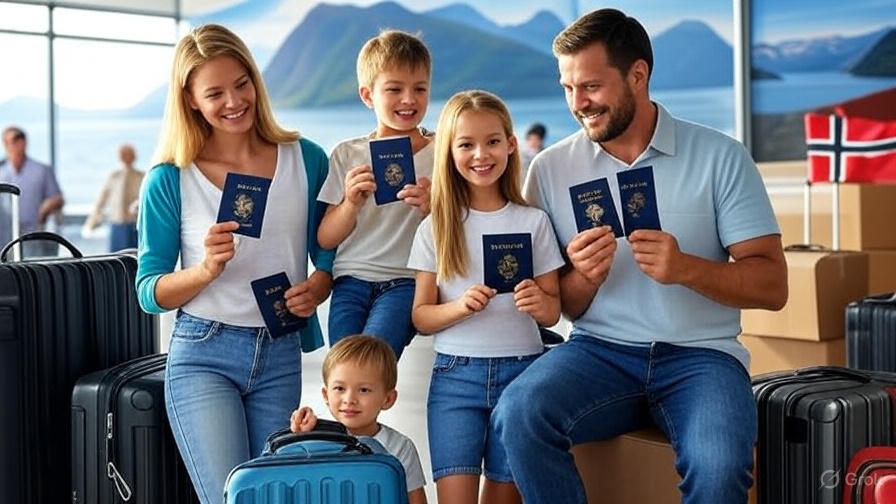
- Family Life: Norway consistently ranks among the safest and happiest countries in the world.
- Healthcare & Welfare: Access to quality healthcare and a well-functioning welfare system is a major draw.
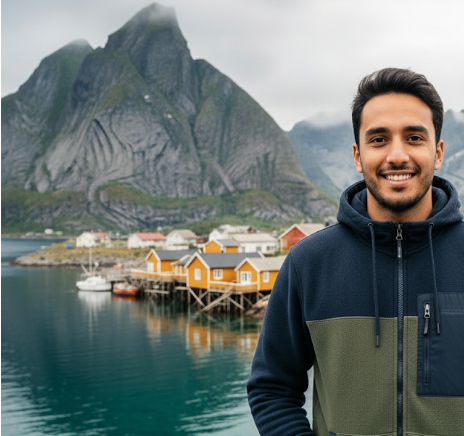
- Quality of Life: Think clean streets, less pollution, fair wages, and time to enjoy nature.
One Bangladeshi engineer I met in Oslo summed it up nicely: “Back home, I worked 60 hours a week and still worried about bills. Here, I have time for family, I can breathe clean air, and my kids get an excellent education for free.”
👉 To make settling easier, explore Settling-in Services in Norway offered by Pytheas.
Understanding Your Options: Visas and Permits
For Bangladeshis, the biggest hurdle is securing the right type of residence permit. Norway doesn’t allow long-term migration through tourist visas, so you need a legitimate pathway.
1. Skilled Worker Visa
If you have a job offer in Norway that matches your qualifications, this is the best option. It’s designed for people with professional backgrounds in sectors facing shortages.
Examples of in-demand roles for Bangladeshis:
- Software developers & IT specialists
- Nurses and healthcare staff
- Electricians, welders, carpenters
- Mechanical and civil engineers
💡 Pro Tip: Many Bangladeshi applicants struggle because their degrees or work experience don’t perfectly align with Norwegian standards. Don’t worry — with proper documentation and sometimes extra certification, you can still qualify.
➡️ More info: Skilled Worker Visa Norway
2. Student Visa
Bangladeshi students often find Norway attractive because of its affordable education. Unlike many countries, public universities in Norway charge minimal or no tuition fees.
Benefits include:
- Right to work part-time (20 hours per week)
- Access to world-class education in English-taught programs
- A pathway to stay and work after graduation
For example, I recently met a Bangladeshi student in Bergen studying Data Science. His living expenses are around NOK 12,500 per month, but he covers a good chunk of it by working part-time in IT support.
3. Family Immigration
If your spouse, parent, or child is legally living in Norway, you may qualify for family reunification.
- Spouses must usually meet an income requirement (currently around NOK 325,400 per year).
- Children under 18 can be reunited with parents in most cases.
- Proof of genuine relationship is strictly checked.
👉 More details: Family Immigration Norway
4. Seasonal and Unskilled Work Permits
There are limited opportunities here, usually in agriculture or hospitality. These are temporary and don’t typically lead to permanent residency.
5. Permanent Residence and Citizenship
After three to five years in Norway (depending on visa type), you may qualify for permanent residence. Eventually, many Bangladeshis aim for Norwegian citizenship — which opens up visa-free travel across Europe.
➡️ See more: Residence Permit in Norway
Requirements You Need to Meet
Every permit type has its own criteria, but here are the common essentials:
| Requirement | Details |
|---|---|
| Job/Study Offer | Must come from an approved employer or university. |
| Education | Bachelor’s degree or vocational training for skilled jobs. |
| Financial Proof | Students: NOK 139,347 per year. Workers: income proof from employer. |
| Language | English accepted for many roles, but Norwegian often required. |
| Police Clearance | You’ll need a clean criminal record. |
Many Bangladeshis underestimate the importance of paperwork. A missing document, like notarized certificates, can delay your application for months.
The Application Process: Step by Step
Here’s how most Bangladeshis handle their applications:
- Find a Job or Admission Letter – Apply directly through Norwegian employers or universities.
- Gather Documents – Passport, degrees, financial proof, employment letters, marriage/birth certificates.
- Apply Online – Through the UDI (Norwegian Directorate of Immigration) website.
- Book Appointment – At the Royal Norwegian Embassy in Dhaka for biometrics and document submission.
- Wait for Processing – Skilled worker visas usually take 2–3 months; student visas about 1–2 months.
- Approval & Travel – Once approved, you’ll receive an entry visa to travel.
- Register in Norway – Visit the local police station to finalize your residence permit.
💡 Many first-time applicants struggle with the UDI forms. That’s where professional help makes a difference. Check out Immigration Services Norway for guidance.
Cost of Moving to Norway from Bangladesh
Moving abroad requires financial planning. Here’s a rough estimate (as of 2025):
| Expense | Cost in NOK | Cost in BDT (approx.) |
|---|---|---|
| Skilled Worker Visa Fee | 6,300 NOK | ~65,000 BDT |
| Student Visa Fee | 5,400 NOK | ~56,000 BDT |
| Airfare Dhaka–Oslo | – | 45,000–70,000 BDT |
| Monthly Living Costs | 12,500 NOK | ~130,000 BDT |
Job Market Insights
Norway’s labor market is welcoming, but competition is real. Here’s where Bangladeshis tend to succeed:
- Healthcare: Hospitals are hiring nurses and caregivers due to shortages.
- Construction: Skilled trades like welding, plumbing, and carpentry are valued.
- Technology: IT specialists and engineers can find high-paying roles.
- Hospitality & Services: Seasonal work in hotels, restaurants, and tourism.
👉 Once you land a job, you’ll also need a place to stay. Explore Home Search in Norway to simplify the housing hunt.
Living in Norway as a Bangladeshi
Adapting to Culture
Norwegians are polite but reserved. Don’t be surprised if your neighbors don’t immediately invite you for tea. Over time, you’ll find they value deep, long-term friendships.
Language
English works fine in cities, but in smaller towns, Norwegian helps with daily life. Many Bangladeshis enroll in free language courses provided by municipalities.
Community
There are Bangladeshi associations in Oslo and Bergen. Mosques, halal groceries, and South Asian restaurants are easy to find in larger cities.
Weather
Yes, winters are tough! Expect long nights and cold temperatures. Many newcomers struggle with this, but Norwegians cope by embracing outdoor activities and staying active.
Challenges You Should Expect
- High Cost of Living – Rent, groceries, and transport are significantly more expensive than in Bangladesh.
- Documentation Hurdles – The Norwegian system demands precision.
- Homesickness – Being far from family and familiar culture can feel overwhelming.
Yet, most Bangladeshis I’ve met say the challenges are worth it for the opportunities they gain.
FAQs: Moving to Norway from Bangladesh
1. How much money do I need to move to Norway from Bangladesh?
For students, at least NOK 139,347 (~13.9 lakh BDT) per year. Skilled workers rely on their income offer from employers.
2. Can I bring my family?
Yes. Spouses and children can usually join you if you meet income and housing requirements.
3. Do I need to know Norwegian?
Not always. Many jobs and courses accept English, but Norwegian skills boost your chances for long-term success.
4. Is it easy to get a job?
It depends. IT, healthcare, and construction workers have better chances than unskilled workers.
5. How long does it take?
2–3 months for skilled workers, 1–2 months for students. Family visas may take longer.
Final Thoughts: Is Norway Right for You?
Relocating abroad is a life-changing decision. For Bangladeshis considering Norway, the path is challenging but rewarding. You’ll face high living costs, cultural adjustments, and paperwork, but you’ll also gain access to one of the world’s best living standards.
At Pytheas.no, we’ve guided many people from Bangladesh through this journey. Whether you’re a student, a skilled worker, or a family planning a new chapter, having the right support makes all the difference.
👉 Take the next step today:
✅ Summary
Moving to Norway from Bangladesh in 2025 requires planning, patience, and paperwork. With options like skilled worker visas, student permits, and family reunification, Bangladeshis have multiple pathways. The job market favors healthcare, IT, and construction workers, while students benefit from low-cost education. Despite challenges like high living expenses and cultural differences, Norway offers an excellent quality of life.
With the right preparation — and support from experts like Pytheas — your dream of living in Norway can become reality.